Pro-Level Beauty Buys: Tips I Swear By
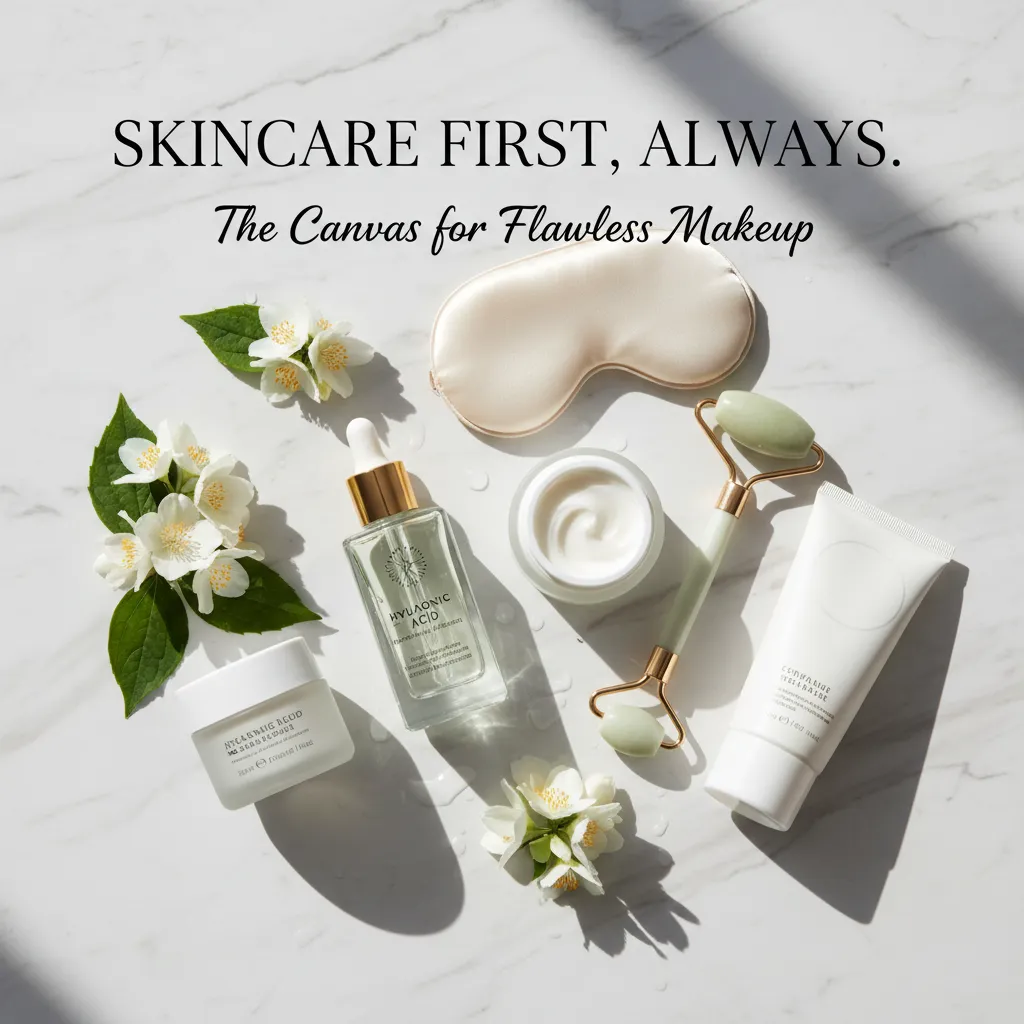
Last January, I stood under brutal bathroom lighting with a flaky chin, a half-melted cleansing balm, and the kind of optimism only a fresh notebook can give you. I’d promised myself “new year, new routine,” but what I really needed was a professional’s filter: which products actually earn their counter space—especially in winter—when your skin barrier is one bad choice away from revolt. This post is my notebook of proven product tips I’ve picked up from editor picks, derm logic, and a few very human trial-and-error moments (including the time I over-exfoliated before a photo and regretted it for a week).
My “Pro Product” Rulebook (and the 30-Second Counter Test)
I treat my bathroom counter like a tiny retail shelf: if a product can’t explain itself fast, it gets benched. My 30-Second Counter Test is simple—if I can’t say what it does, who it’s for, and how I’ll use it in under half a minute, it’s not “pro,” it’s clutter.
The three pro questions I ask
- What problem does it solve? (Dry patches? Breakouts? Dull tone?)
- How often can I use it in winter? If it’s too harsh when the air is dry, it’s not a daily staple.
- What’s the measurable outcome? Smoother texture in 7 days, less redness, fewer flakes—something I can actually track.
I learned this the hard way. One week I tried to “fix everything” with five actives—acid, retinoid, vitamin C, spot treatment, and a strong cleanser. By day four, my face felt tight and hot, and I ended up reaching for recovery cream sensitive care instead of any “results” product.
How I test without turning my face into a science fair
I go one variable at a time. I keep the rest of my routine boring and steady, then add one new item for 7–14 days. If my skin changes, I know what caused it.
Wild card: the “airport test”
Would I pack it if I had one carry-on and a red-eye?
If it can pull double duty—like a balm that works for lips, cuticles, and dry spots—it earns a permanent spot on my counter.
Winter Skin: Barrier First, Then Everything Else
In winter, I plan my routine around skin barrier repair first—because everything works better when my barrier is calm. I learned this the hard way after exfoliating on a windy week. My face felt hot, tight, and weirdly shiny, like it was trying to protect itself. Never again. Now my rule is simple: if my skin is dry, flaky, or stinging, I stop “fixing” and start rebuilding.
My hydration stack (when I feel tight by noon)
When my face feels “tight” by lunchtime, I layer The Ordinary Hyaluronic Acid on damp skin, then seal it with Dr. Jart+ Ceramidin Cream. This combo gives me that cushioned, flexible feeling instead of a surface-level glow that disappears in an hour. It’s my go-to for winter skincare routine planning because it supports hydration and barrier lipids.
Recovery cream for sensitive days
On reactive days, I reach for Dieux Skin Recovery as my “shut it all down” option. I keep the rest of my routine boring: gentle cleanse, recovery cream, sunscreen. That’s it.
Makeup/SPF removal without stripping
If I’m wearing long-wear makeup or stubborn SPF, I use Elemis Pro-Collagen Cleansing Balm. It melts everything off so I don’t over-rub, which is a big deal when cold air already has my barrier on edge.
Tiny tangent: I judge moisturizers by the “smile test.” If smiling feels crunchy, I’m under-moisturized.

Gentle Exfoliation Skincare: The “Less Dramatic” Glow
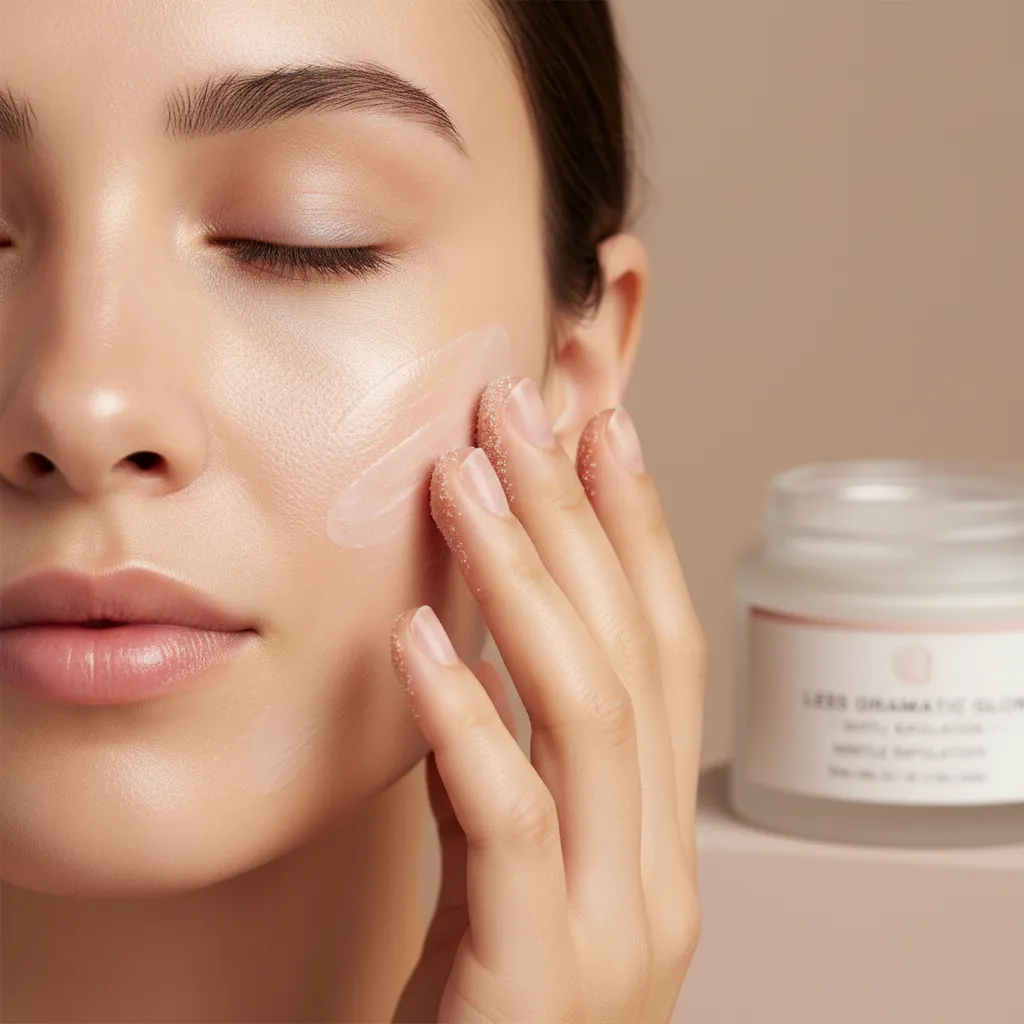
In winter, I skip the exfoliation “beatdowns.” Cold air plus indoor heat already makes skin feel tight, so I’d rather be slightly less glowy than suddenly sandpapery. Gentle exfoliation skincare keeps my barrier calm, which is what actually makes makeup look smooth.
My rule: exfoliants are a scheduled guest
I treat any chemical exfoliant treatment like a visitor, not a roommate: 1–2x/week, max. If I’m using retinoids or my skin feels stingy, I drop to once a week. I want steady texture help, not a surprise peel.
Exfoliating pads for low-energy nights
On nights when I’m too tired to be ambitious (most Tuesdays), exfoliating products pads are my shortcut. One swipe, done. I still follow with a simple moisturizer—no extra actives—so I don’t stack irritation on top of irritation.
My “makeup sits weird” reset
When foundation starts catching on texture, I reach for the Benefit POREfessional mask as an occasional reset. I don’t use it constantly; I use it when I need my base to stop clinging to rough patches and look more even.
Face vs. body exfoliating (yes, elbows have rights)
- Face: gentle acids or pads, fewer days, more hydration.
- Body care exfoliating: I go a bit stronger on elbows, knees, and KP bumps, then seal with lotion.
- Rule of thumb: if it’s thin or reactive, I go gentler; if it’s thick and rough, I can do more.
Skincare Scalp Care + Microbiome Skincare Products: The Under-the-Radar 2026 Shift
Skincare scalp care is the trend I ignored until my hairline got itchy—turns out, it’s skin. Once I treated my scalp like my face (not like a “hair problem”), flakes and tightness calmed down fast. My pro-level rule: cleanse gently, don’t scrub like you’re sanding a floor, and keep heavy oils off the roots if you’re prone to buildup.
What I Actually Look for in Microbiome Skincare Products
Microbiome skincare products are everywhere in 2026, but I don’t buy the “magic bacteria” marketing. I look for basics that support the barrier: gentle cleansers, low-foam formulas, and moisturizers with ceramides, glycerin, and soothing ingredients. If a product promises it will “reset your skin ecosystem overnight,” I pass.
If your skin could text you, it would probably ask for fewer “experiments” and more consistency.
Adjacent Trends I’m Watching (Weird-But-Real)
- Lip care focus: I treat lips like a mini barrier zone—simple balm, no stinging “plumpers” when I’m dry.
- Fiber-based skin health products: not a topical miracle, but I’m watching how fiber supports overall skin comfort through routine and diet.
My Irritation-Trigger Notes (Yes, I’m That Person)
I track irritation triggers in a phone note like a nerd. It helps me spot patterns fast:
- Weather shifts (cold wind, dry heat)
- Fragrance exposure
- Over-cleansing or “one more exfoliation”
When my scalp or face flares, I simplify for 7 days and rebuild from there.
AI Advancements Beauty: Smart Mirrors, Skin Mapping, and My Skeptic’s Checklist
AI in beauty sounds futuristic, but I only care about one thing: personalization that helps me buy fewer, better products. If an app can show me I don’t need a new serum every month, that’s a pro-level win.
AI Skin Mapping: Helpful, Not a Diagnosis
Skin mapping tools can be useful for tracking what changes over time. I like them for spotting patterns I miss in the mirror—especially when my routine is steady.
- Where it helps: tracking dark spots, redness, texture, and tone shifts week to week.
- Where it can’t: replacing a dermatologist, identifying medical issues, or “proving” a product is safe for you.
If something looks new, painful, or fast-changing, I skip the app and book a professional.
Smart Mirrors as a Practice Tool
Smart mirrors can be great for makeup technique. On low-sleep mornings, the zoom and guides help me get more symmetrical eyeliner and cleaner blending. I treat it like training wheels: helpful for practice, not a must-have for every day.
My Skeptic’s Checklist Before I Trust Any Beauty AI
- Data privacy: Where do my photos go, and can I delete them?
- Recommendation bias: Is it suggesting what my skin needs—or what a brand sells?
- Upsells: Does it push “urgent” add-ons after every scan?
Small confession: most days, I still trust daylight + a hand mirror more than any algorithm.
Devices & Editor Picks: LED Mask Skincare to the Shark CryoGlow Mask
My rule for buying skincare devices is simple: they’re only worth it if I’ll use them when I’m tired. If a tool needs perfect lighting, a long setup, or “the right mood,” it won’t survive real life. I treat every device like a habit test, not a luxury.
LED mask skincare: the editor-loved consistency tool
Editors love LED mask skincare because it’s consistent and turns treatment into an at-home ritual. You don’t have to guess where to apply it, and you can stack it with boring daily habits. I keep my LED mask next to my toothbrush so it’s a “while I’m already here” step. That placement matters more than any fancy feature.
Medicube Age-R Booster: helpful when it’s routine-backed
The Medicube Age-R Booster is the kind of gadget that makes you feel like you’re doing something. That feeling can be useful—if it’s backed by routine, not vibes. I pair it with one product I already use (like a simple serum) and I keep the timing short. If it adds friction, I skip it.
Shark CryoGlow mask: cold therapy for puffy mornings
The Shark CryoGlow mask earns its spot on mornings when my face looks swollen—especially after salty takeout. Cold therapy feels immediate: less puff, more “awake,” and it’s fast enough to do before coffee.
My “two-week adoption test”: if I don’t reach for it in 14 days, I return it or rehome it.
- Buy for tired-you, not motivated-you.
- Store it where you’ll see it (bathroom counter beats a drawer).
- Attach it to one existing step for real consistency.
Makeup That Looks Expensive: Monochromatic Makeup Trends + Bold Color Makeup
My “meeting in 10 minutes” monochrome trick
When I need makeup that looks expensive fast, I go monochromatic. One cream stick is my shortcut: I tap it on cheeks, press a little on lips, then do a quick swipe on the lids. Because the tones match, everything looks planned—even if I did it in the car mirror. I blend with fingers first, then soften edges with a brush so it reads smooth, not greasy.
Bold color makeup, but only one loud thing
Bold color makeup is back, and I love it, but I follow one rule: one statement at a time. If I wear a berry lip, I keep eyes clean—mascara, a soft brown in the crease, done. If I want a bright liner or a strong shadow, I switch to a nude lip and a simple base. This keeps the look modern and “editorial,” not messy.
Clean brushes = expensive finish
People don’t talk about this enough: fresh brushes change everything. I deep-clean on Sundays like it’s meal prep. Dirty brushes make colors look dull and patchy, and they can turn a great foundation into streaks.
- Wash with gentle soap, rinse until water runs clear
- Reshape, lay flat, let dry overnight
Why I like LH Cosmetics brushes
LH Cosmetics brushes are the kind of tool that can make a drugstore formula look high-end. They pick up product evenly and blend without leaving harsh lines, which is the real “luxury” effect.
Setting spray is the final pro step
I finish with a setting spray formula that melts powders into skin and locks cream products down. I spray in an “X” and “T,” then let it dry—no touching.
Drugstore Beauty Back: How I Hunt for Affordable Winners
Drugstore beauty back is real—and honestly, it’s a relief for anyone tired of $70 “miracle” jars that don’t do much. When I shop affordable skincare and makeup, I treat it like a pro: I’m not chasing hype, I’m chasing proof and repeatable results.
I Read Ingredient Lists Like Menus
My method is simple: I flip the box and scan the ingredients first. I look for barrier-friendly basics like ceramides, glycerin, and hyaluronic acid. If I’m feeling reactive, I avoid added fragrance because it’s one of the fastest ways for me to trigger redness. I also prefer products that clearly state what they do (hydrate, cleanse, protect) instead of vague “age-defying” promises.
Where I Go Cheap (and Where I Don’t)
- Yes to drugstore mascara: it expires fast, and formulas are great now.
- Yes to basic cleansers: gentle, effective, and easy to replace.
- No to mystery peels: if the acids aren’t clear, I skip it.
- No to random “clinical” kits: I want transparent percentages and instructions.
The Unsexy Cost-Per-Use Math
I compare cost-per-use to avoid clutter. I do quick math like:
price ÷ estimated uses = cost per use
If a $12 product gives me 60 uses, that’s $0.20 per use—hard to beat.
My 15-Minute January Stash Audit
Before I buy anything new, I do a 15-minute stash audit: check expiration dates, count backups, and write a short “use next” list. It keeps my drugstore beauty wins truly affordable.
Conclusion: My 2026 Edit—Fewer Products, Better Days
After revisiting my notes from Proven Product Tips Every Professional Should Know, my 2026 edit is simple: the pros aren’t using more—they’re using smarter. I see it backstage and on set: barrier first, then a gentle glow, then intentional color. When my skin is calm, everything else—foundation, concealer, even blush—looks cleaner with less effort.
So here’s my personal promise for “Pro-Level Beauty Buys: Tips I Swear By”: one new product in, one old product out. If I can’t name what it replaces, it’s not a routine upgrade—it’s just shopping dressed up as self-care. This rule keeps my shelf (and my skin) from getting overwhelmed, especially in winter when I’m tempted to layer everything.
For next week, I’m keeping it tight: choose one barrier staple you’ll use morning and night, one gentle exfoliant you’ll use a few times (not daily), one makeup shortcut that saves time (like a tinted moisturizer or cream blush), and one “fun” item that makes you want to do your routine. That’s it. Four picks, used well, beats twelve products used randomly.
Your routine should feel like a playlist—some classics, one new track, and nothing you hate listening to.
Now tell me your winter skin nemesis. Mine is office heating. Share yours in the comments, and I’ll suggest one simple swap to get you back to that calm, pro-level glow.
TL;DR: If you want a pro-level routine in 2026, protect your barrier first (ceramides + hyaluronic acid), exfoliate gently, invest in one smart device if you’ll use it, lean into monochromatic makeup, and don’t sleep on drugstore wins.


Comments
Post a Comment