Finance Trends 2026: Money, Banks & Work Shifts

In spring 2025, I sat at my kitchen table “optimizing” my money with three tabs open: a budgeting app, my bank’s CD page, and a spreadsheet I swore I’d update weekly. That tiny scene—me bouncing between automation, guaranteed returns, and DIY forecasting—pretty much sums up what’s changing as we head into 2026. The finance world is getting smarter (hello, AI), more hybrid (digital plus human), and oddly more old-school in pockets (CDs, high-quality bonds). Here’s what I’m watching, what I’m skeptical about, and what I’d actually do if I were starting from scratch.
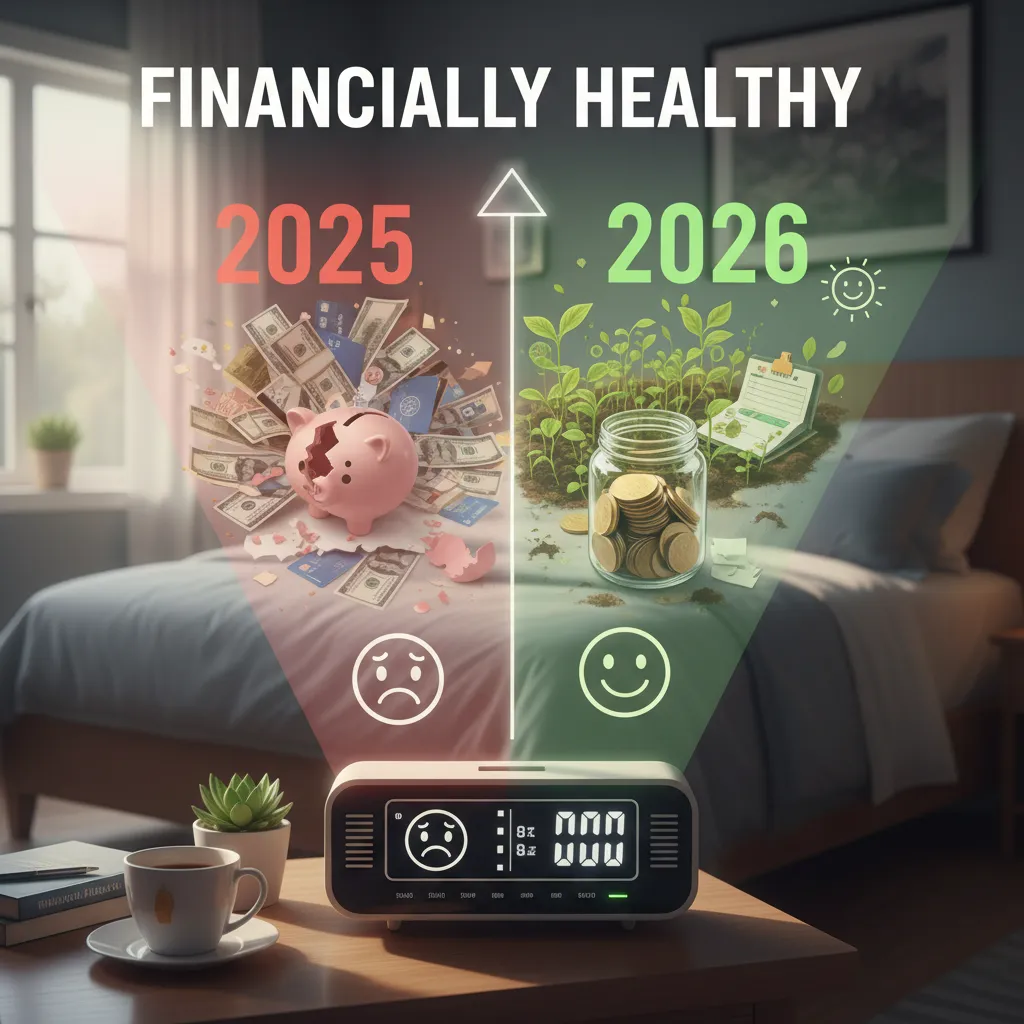
My “financially healthy” wake-up call (2025 → 2026)
The stat that stopped me was this: only 31% of people are considered financially healthy. I honestly thought I was “fine.” My bills were paid, my card worked, and I wasn’t getting scary calls. But that’s the trap—feeling okay is not the same as measuring okay.
What a quick financial health check looks like in real life
I stopped trying to do a perfect budget and started doing a simple assessment. I ask four questions:
- Cash buffer: If income paused, how many weeks could I cover basics?
- Debt cadence: Is my debt shrinking monthly, or just moving around?
- Savings rate: What % of income actually stays saved after the month ends?
- Bill predictability: Are my bills stable, or do “surprise” charges keep showing up?
My messy method (that I can repeat)
Here’s my not-so-glam system: one Sunday a month, coffee, a notes app, and a bank export. I download transactions, scan for patterns, and write three lines:
- What got better?
- What got worse?
- What one change will I try next month?
It’s imperfect, but it’s repeatable—and repeatable beats perfect.
Why banks are leaning into “wellness” tools
This is where banking trends 2026 start to make sense. People don’t just want budgeting charts. They want coaching, alerts before overdrafts, and subscription management that finds forgotten renewals. That demand is pushing banks and fintech apps toward real financial wellness services, not just flashy features.
For me, the big shift from 2025 to 2026 is clear: finance trends are less about “new shiny” and more about resilience when markets feel uncertain and volatility shows up in everyday life.
Savings solutions automated… and why CDs feel cool again
In 2026, the “new normal” for saving is that it happens in the background. My bank app doesn’t just show balances—it runs rules. Automatic fund transfers move money from checking to savings without me thinking about it, and cash-flow tools nudge timing so bills line up with real life (like rent week vs. paycheck week).
Automation that feels almost invisible
I use a simple rule: when my checking balance crosses a set threshold, it sweeps a small amount into savings. For example:
- Trigger: Checking goes above $600
- Action: Transfer $25 to savings
- Why it works: It’s small, almost sneaky, and it repeats when my balance “bounces back” after payday
It’s not dramatic, but it adds up—and it fits the Finance Trends 2026 shift toward automated savings solutions that reduce decision fatigue.
Cash-flow nudges: timing is the real budget
The best tools don’t shame me for spending; they help me schedule. I can set reminders or auto-moves based on my pay cycle, so I’m not transferring money out right before rent clears. That kind of timing support is a quiet upgrade in modern banking.
Why CDs are back
Certificates of deposit feel cool again because they offer guaranteed returns when savings rates feel like a roller coaster. When I’m tired of watching APYs jump up and down, locking in a rate for a set term can feel calming—especially for money I don’t need next month.
Myth-bust: it’s set-and-check
Automation isn’t set-and-forget; it’s set-and-check.
I do a quick monthly audit to avoid overdrafts or “starving” a bill that hits earlier than usual.
Automation + cancellations = grown-up budgeting
Subscription management services fit right in: automate savings, then cancel the quiet leaks. Together, it’s the adult version of budgeting—less spreadsheets, more systems.
Hybrid banking experiences: when I actually want a human
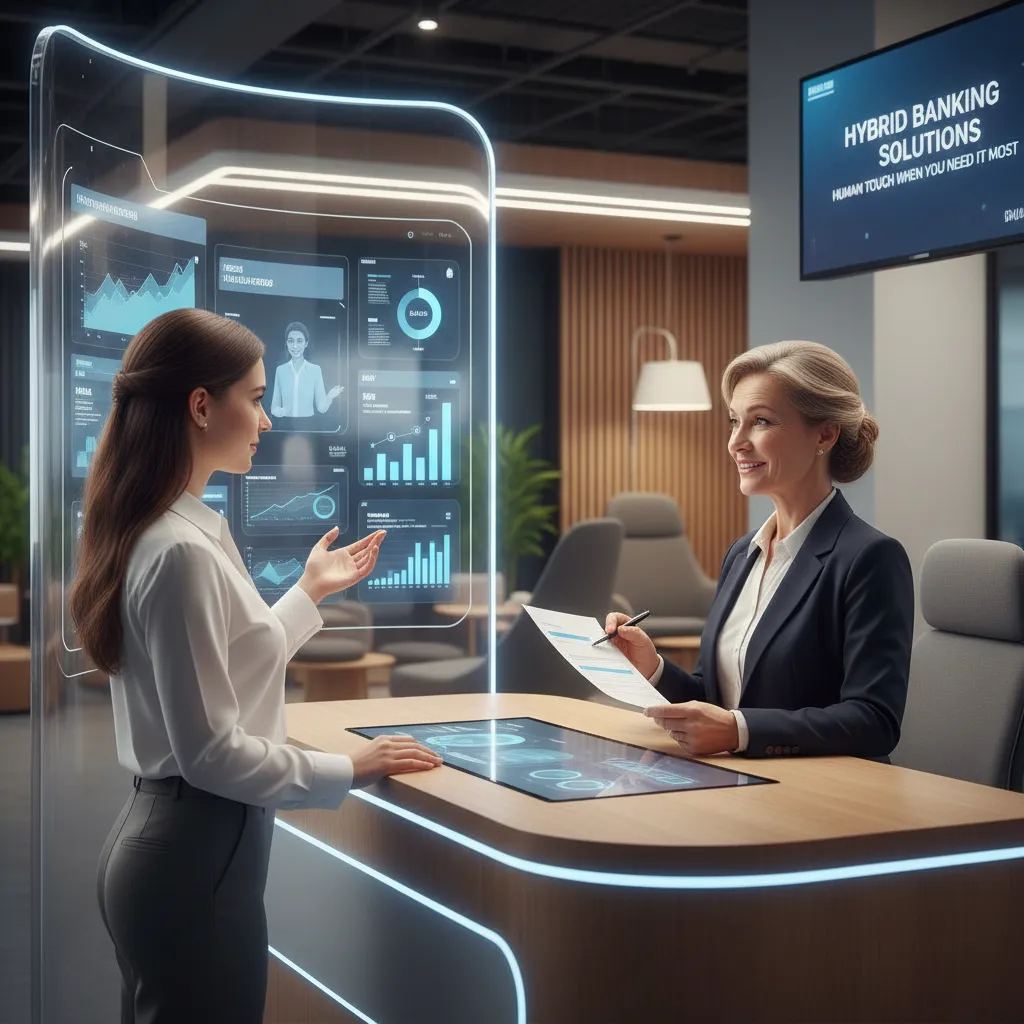
I love “pure app” banking for the everyday stuff. I can freeze a card, split a bill, or move money in seconds. But I still have branch day moments, when I want the calm of a real person and a real desk. If I’m refinancing a mortgage, setting up elder-care payments for a parent, or dealing with a fraud scare, I don’t want a chatbot loop. I want someone to look me in the eye and say, “Here’s what we know, here’s what we’ll do next.”
Smarter insights… and the feeling of being “too known”
Finance trends in 2026 keep pushing hyperpersonalization: banks and fintech apps that spot patterns, predict cash flow, and nudge me before I overdraft. That’s useful. Still, when an app tells me I “usually” spend more on weekends, I sometimes feel watched. The best customer engagement tools should be clear about why they recommend something, and let me turn off what feels creepy.
Friction-right security beats one-tap everything
I don’t want security that feels like a fortress for buying groceries. But for high-stakes actions—new payees, large transfers, account recovery—I will tolerate extra steps. The sweet spot is friction-right security: quick when risk is low, stricter when risk is high. That can mean step-up verification, a short call-back, or in-app confirmation plus a human review.
A hybrid model I’d actually use
Imagine my bank offers a digital “money MOT” (a quick check of spending, savings rate, debt, and goals). Then it gives me an option: a 15-minute in-person check-in at a community branch, no pressure, just questions and next steps.
- App for speed and daily control
- Human support for big decisions and stress events
- Clear privacy controls for personalized insights
To banks and fintechs: hybrid isn’t a UX compromise. It’s a trust strategy for the way people really handle money.

Inside the finance function: the data-driven shift (and my FP&A envy)
In the 2025–2026 finance trend reports I keep coming back to one theme: FP&A in banking is moving from “calendar finance” to continuous finance. Budgeting is no longer a once-a-year ritual with a big deck, a big meeting, and a big reveal. It’s becoming a living conversation that keeps pace with rate moves, deposit behavior, credit signals, and product pricing.
From annual budgets to rolling forecasts
Day-to-day, rolling forecasts feel less dramatic and more practical. Instead of waiting for a quarterly checkpoint to admit reality changed, teams make small corrections every week: update volumes, refresh margin assumptions, adjust cost run-rates, and move headcount plans based on what’s actually happening. The mood shifts from “defend the plan” to “improve the plan.”
Profitability analytics connects the silos
What’s new (and overdue) is how profitability analytics is starting to drive decisions across silos. Budgeting, ALM, and profitability analysis are beginning to talk to each other through shared data and consistent assumptions. When funds transfer pricing, balance sheet strategy, and product P&L line up, leaders can see trade-offs faster—like whether a deposit campaign helps liquidity but hurts margin, or whether a lending push changes capital usage.
“It’s not one model anymore. It’s one set of numbers, used everywhere.”
My FP&A envy moment
A friend in bank finance told me their biggest change wasn’t a new template—it was time. They now spend more hours on data pipelines than PowerPoints. They build clean inputs, automate refreshes, and sanity-check drivers. And honestly? They don’t hate it, because the story writes itself when the data is trusted.
The skills shift
- Technical fluency becomes table stakes: SQL, data tools, and model logic.
- Comfort with drivers (not just variances) becomes the new credibility.
- Communication still matters—but it’s grounded in live metrics, not static slides.
AI autonomous decision-making: exciting, terrifying, inevitable
In the chatbot era, AI mostly answered: it summarized policies, drafted emails, and helped agents search knowledge bases. In 2026, I’m watching the shift to agentic AI workflows—systems that act. They don’t just recommend a next step; they trigger it, move data, and close loops across tools.
Where banks and insurers are deploying agentic AI
- Underwriting: pre-filling applications, pulling alternative data, proposing risk tiers, and issuing conditional approvals.
- Claims: triage, document checks, fraud flags, and fast-track payouts for low-risk cases.
- Payments: exception handling, routing decisions, reconciliation, and dispute workflows.
- Service operations: account changes, fee reversals, collections outreach, and back-office ticket resolution.
The promise is speed and lower cost. But my caution is simple: who audits the auditor? When an AI agent reviews another model’s decision, we can end up with a “closed” system that looks confident while hiding weak logic.
New failure modes I’m planning for
- Quiet errors: small mistakes that pass checks and compound across thousands of accounts.
- Bias drift: models that become unfair as data, pricing, or customer mix changes.
- Edge-case chaos: rare scenarios (job loss spikes, regional shocks) where automation breaks first.
What if an AI agent approves a borderline loan at 2 a.m.—who’s accountable when the economy turns?
My practical takeaway: start with targeted pilots that deliver immediate value (like claims triage or payment exceptions) while core modernization—data quality, controls, and audit trails—takes years. I want measurable wins, clear human override paths, and logs that explain every automated action.
Market outlook 2026: cash isn’t trash, but it has a cost
In my 2026 market outlook, I’m not anti-cash. I keep cash for bills, surprises, and peace of mind. But during a Fed rate-cutting phase, cash can quietly become expensive. The opportunity cost shows up when yields on cash fall faster than expected, while other assets reprice. If inflation re-accelerates or the market suddenly shifts its view on duration (how sensitive bonds are to rate moves), sitting in cash can mean missing returns that help protect purchasing power.
Why high-quality bonds can do more than “pay interest”
In the “Finance Trends 2025-2026” conversation, fixed income investments look more useful again. I like high-quality bond investments because they can:
- Generate income (coupon payments) that is often steadier than stocks.
- Provide ballast when growth scares hit and investors move to safety.
- Offer price upside if rates fall—especially in intermediate-duration bonds.
That’s diversification: bonds aren’t just “interest,” they’re also a risk-management tool.
Credit markets: tight spreads, hidden stress
I’m more cautious in credit markets going into 2026. Credit spreads are tight, which can mean investors are not being paid much for taking extra risk. I also see stress pockets in lower-rated credit and in fast-growing private markets, where pricing can look smooth until it suddenly isn’t.
My stance: boring balance
I like boring balance—some cash for sleep, bonds for ballast, and skepticism for anything that looks “too smooth.”
Think of portfolios as camping gear: cash is the flashlight batteries, bonds are the tent poles, and riskier credit is that cool stove you don’t fully trust.
Finance jobs trends: the rise of the risk-and-data people
When I look at the finance jobs trends heading into 2026, the biggest shift is simple: fewer roles built around pure “reporting,” and more roles built around data analysis and risk management. In the 2025-2026 cycle, dashboards, automation, and tighter systems keep shrinking the time spent compiling numbers. The value is moving to people who can explain what the numbers mean, what could break next, and what to do about it.
Why this is happening in real life
Volatility is the daily weather now: rates move, funding costs change, fraud patterns evolve, and regulators ask harder questions. In that environment, leadership wants answers that are faster and also more defensible. “We think it’s fine” is not enough. They want: “Here’s the evidence, here are the assumptions, here’s what happens if we’re wrong.” That’s why risk-and-data people are rising across banks, fintech, and corporate finance.
Skills I’d bet on for 2026
- Data literacy: comfort with data quality, basic SQL/BI, and knowing what a metric really measures
- Scenario thinking: stress tests, sensitivity checks, and clear “if-then” logic
- Controls mindset: audit trails, model governance, and clean handoffs between teams
- Plain-language communication: no hiding behind acronyms; explain impact in one minute
My quick aside: the best analysts I know can tell a story without a single chart… and then back it up with ten.
Even if you’re not in finance, tracking these work shifts helps you evaluate banks, employers, and even financial products: who manages risk well, who understands their data, and who is guessing under pressure.
Conclusion: my 2026 money rule—build for movement, not perfection
As I look at the biggest finance trends for 2026, one theme keeps showing up: systems that move beat plans that look perfect. Personal automation is getting easier, banks are rebuilding trust through hybrid service (digital speed with real humans), and finance teams are pushing for FP&A agility with faster scenario planning. At the same time, AI is moving into everyday money decisions, which makes AI governance—clear rules, audit trails, and accountability—just as important as the tools themselves. Add smarter investing habits and the skill shifts happening at work, and the message is clear: the goal is not certainty; it’s resilience.
My two-speed framework
I’m using a simple “two-speed” rule in 2026. Speed one: automate the basics. That means bills, savings, and alerts run in the background so I don’t rely on willpower. Speed two: stay human on the hard calls. I slow down for big choices—job changes, debt payoff order, risk level, and long-term investing—because context matters more than any dashboard.
If you want a practical next step, run one small experiment this week. I’m doing a quick CD ladder check (are my maturities still spaced well?), setting a “savings sweep” rule (move leftover cash to savings on payday + two days), or building a mini scenario-planning sheet with three lines: best case, base case, and stress case. Small tests teach me more than big promises.
The risk in 2026 is shiny tools without controls. Cybersecurity and compliance are not a footnote; they are part of the trend. I treat MFA, strong passwords, device updates, and permission limits as financial habits.
I’m not chasing the perfect forecast—just a system that doesn’t break when life gets loud.
TL;DR: Finance trends 2026 are splitting into two vibes: more automation and AI (in banking and FP&A) while savers and investors rediscover “boring” certainty (CDs, high-quality bonds). Hybrid banking, rolling forecasts, and risk management skills rise as volatility stays in the background.


Comments
Post a Comment