AI Sales Tools 2026: Best AI Sales Stack
The first time an “AI sales assistant” rewrote my outreach, I hit send… and immediately cringed. It wasn’t wrong—just weirdly cheerful, like a robot at a networking event. That little moment kicked off my obsession: which AI sales tools actually help (and which just add another dashboard)? Below is my human, slightly opinionated comparison of AI-powered solutions I’d trust in a real pipeline.
My messy “week in the life” test for AI Sales Tools
I ran a simple sales tools comparison using the same mock Q1 pipeline all week: one prospect list, one calendar, one pipeline—no demo theater. I rotated categories from “Best Sales Tools Compared: AI-Powered Solutions”: AI-powered CRM, sales engagement, lead generation, and revenue intelligence. The goal was to see which AI Sales Tools actually help when I’m moving fast.
Jill Konrath: “The goal isn’t more activity—it’s better decisions, faster.”
How I tested (and my human sanity check)
Every tool had to touch the same workflow: build a list, verify contacts, sequence outreach, log activity, and update stages. My rule was blunt: if it saves 10 minutes but costs 30 in setup, it fails. That’s where Sales Automation can backfire—too many toggles, not enough outcomes.
Key Features I looked for (the non-negotiables)
- Real-time email verification to stop bounce-driven deliverability issues.
- Buyer intent signals so I’m not guessing who’s in-market.
- CRM data enrichment to fill missing firmographics and reduce manual research.
- CRM Integration that doesn’t break field mapping or duplicate records.
My quick scorecard (weights)
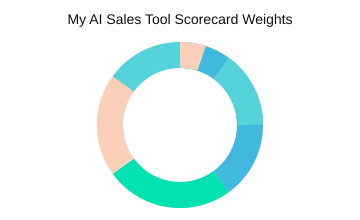
I scored each tool on four areas. The best tool is the one your reps don’t hate opening—because adoption beats “perfect” features.
| Metric | Value |
|---|---|
| MarketsandMarkets impact | +30% productivity |
| MarketsandMarkets impact | +25% revenue |
| Rubric weights | Time Saved 40%, Data Trust 25%, Integration 20%, Adoption 15% |
Wild-card scenario: Monday morning pipeline panic
When stages were stale and next steps were missing, the calming tools were the ones that auto-updated fields, flagged weak deals, and pushed clean notes into the CRM. Pricing mattered too: I saw everything from free tiers (like Regie.ai), to around $20/user (HubSpot), to custom enterprise setups—so I tracked value per minute saved, not just features.

AI Powered CRM: where Salesforce Einstein and Zia actually earn their keep
When I shop for an AI Powered CRM, I care less about another chatbot and more about whether the system can help me pick the right deals to work. In practice, Opportunity Scoring, Sales Forecasting, and Deal Health are where AI earns its keep—because they change my daily priorities, not just my inbox.
Salesforce Einstein
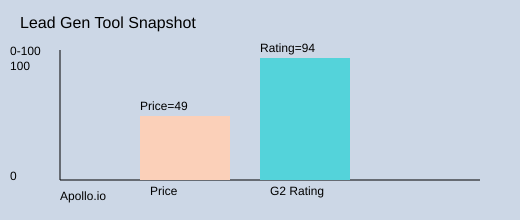
Salesforce Einstein is strongest when I need Opportunity Scoring and Sales Forecasting inside the CRM. Based on the source comparison, those features are baked into Enterprise+ plans (pricing is custom/enterprise), which matters for buyers: if you’re on lower tiers, you may not get the full predictive analytics value.
Mini-example: Einstein can flag a Deal Health risk when a key KPI slips—like No meeting logged in 14 days. That’s the kind of signal that pushes me to schedule a call or re-check stakeholders before the quarter ends.
Zia AI Assistant (Zoho CRM)
Zia AI Assistant in Zoho CRM shines for Predictive Analytics around the top of the funnel. Zia supports Lead Scoring with predictive lead scoring, plus anomaly detection—great for the “why is this deal stuck?” moments, like when activity is high but the stage never changes.
Pipeline Analysis & Deal Health habits
- I trust AI more during Pipeline Analysis when it cites the fields it used (meetings, emails, stage age, next step date).
- Small confession: I still override scores when my gut—and the notes—disagree.
- CRM integration matters: the cleaner the data, the better the scoring and forecasting.
Marc Benioff: “The business of business is improving the state of the world.”
| Tool | What it’s best at | Plan / data note |
|---|---|---|
| Salesforce Einstein | Opportunity Scoring, Sales Forecasting | Included with Enterprise+ (custom/enterprise pricing) |
| Zoho CRM Zia | Predictive Lead Scoring, Anomaly Detection | Flags unusual patterns that impact Deal Health |
| Sample KPI | No meeting logged in 14 days → deal health risk flag | |
Lead Generation that doesn’t make me hate prospecting
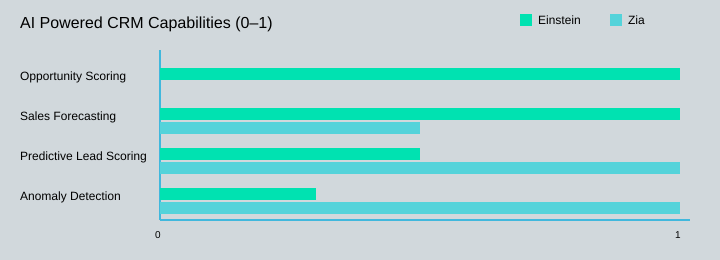
In my 2026 AI Sales Tools stack, I treat Apollo.io as the “all-in-one” baseline for Lead Generation: prospecting + enrichment + sequences (as long as I keep it disciplined). It’s priced at $49/user/month and holds a 4.7/5 on G2 (ratings verified as of Dec 17, 2025). For me, that combo matters because I want one place to find leads, clean them, and push them into my CRM without breaking my flow.
Aaron Ross: “If you want to grow, you need a predictable process—not heroic effort.”
What I look for: Buyer Intent + verification + clean CRM Integration
Good Sales Prospecting is less about “more contacts” and more about fewer bad ones. The lead gen features I won’t compromise on are:
- Real-time email verification (I’d rather have 20 deliverable emails than 200 bounces).
- Buyer Intent signals (so I’m not guessing who’s in-market).
- CRM Integration + enrichment (so records land cleanly, with firmographics filled in).
Lead Scoring in the real world (it must change who I call first)
Lead Scoring is only useful if it changes my next action. Hypothetical: two leads, same title, same company size. One shows recent intent signals (site visits, topic interest, or similar). That lead gets called first—every time. If scoring doesn’t reorder my day, it’s just a dashboard.
The uncomfortable truth: more leads can mean more noise
When tools make adding leads too easy, my pipeline gets loud. My personal rule: cap new adds at 25 leads/day. That forces me to verify, enrich, and actually work the list.
Lead hygiene checklist (for my table later)
- Verification
- Enrichment
- Dedupe
- Routing
| Tool | Price | G2 Rating | Verified | Daily Lead Cap |
|---|---|---|---|---|
| Apollo.io | $49/user/month | 4.7/5 | Dec 17, 2025 | 25 new leads/day |

Sales Engagement: sequences, field sales, and the SPOTIO angle
When I talk about Sales Engagement in modern AI Sales Tools, I’m not talking about “send more emails.” Real engagement is a set of actions—tasks, calls, texts, and Multichannel Communication—that feels consistent to the buyer and easy for reps to repeat. This is why sales engagement is a key category in AI sales tools: it’s where behavior changes (or doesn’t) show up fast.
Marylou Tyler: “Relevance earns the right to ask for time.”
Sales Automation that doesn’t become an “activity machine”
My gripe: engagement platforms can turn into activity machines if leaders measure volume instead of outcomes. Sales Automation should remove busywork, not reward spam. I like a simple rule: if the sequence isn’t getting replies, we tighten targeting and messaging—not add more steps.
My practical sequence (and when to stop)
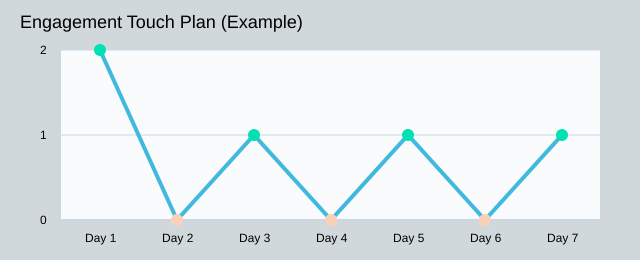
Here’s a setup I’ve seen work without burning trust: 3 emails + 1 call + 1 LinkedIn touch over 7 days, then stop. No “forever follow-up.”
| Item | Data |
|---|---|
| SPOTIO G2 rating (outside sales) | 4.5/5 |
| Example sequence | 3 emails + 1 call + 1 LinkedIn touch (7 days) |
| G2 ratings verified | Dec 17, 2025 |
Field Sales: why SPOTIO stands out
Field Sales reps care about different things than inside teams: routing, knocking, and fast notes right after a conversation. From the comparisons I reviewed, SPOTIO leads field sales engagement with a 4.5/5 G2 rating (verified Dec 17, 2025), and that tracks with what outside teams actually need.
Mini-story: a rep once showed me a map view with planned stops, “no-answer” pins, and quick follow-up tasks. That’s when I finally got field sales tech—engagement isn’t a sequence; it’s momentum between doors.
And yes, tools like Salesloft sit in the engagement category too (and later connect to the Clari merger), but SPOTIO’s edge is how naturally it fits the day-to-day of outside reps.
Revenue Intelligence & Conversation Intelligence: where Gong (and friends) pay for themselves
I obsess over call reviews because my memory lies, and the transcript doesn’t. In 2026, the fastest way I’ve found to improve a team is to treat Conversation Intelligence like training film: not surveillance, but better enablement. When I pair it with Revenue Intelligence, I get a clear view of what’s really happening in deals—based on real words, not vibes.
Gong.io: Conversation Intelligence leader for Deal Summaries and coaching
From the source material, Gong.io stands out for conversation analysis, with a 4.8/5 G2 rating (verified Dec 17, 2025). That matters because strong analysis turns messy calls into usable Deal Summaries: who said what, what was agreed, and what risk signals showed up. I use those summaries to coach reps on specifics (“you skipped pricing framing”) instead of opinions (“you sounded unsure”).
What I track in Pipeline Inspection (from real conversations)
- Objections by stage (example: I track 3 common objections/week and map them to discovery vs. security review)
- Next steps that are explicit (date/time/owner) vs. vague (“we’ll circle back”)
- Deal health signals: talk-time balance, competitor mentions, and “no decision” language
- Predictive Analytics outputs I can sanity-check against the transcript
Real-time help: Remberg Copilot
Some AI Sales Tools go beyond after-the-fact review. For example, Remberg Copilot supports real-time call suggestions and flags upsell opportunities while I’m still in the conversation—useful when a buyer drops a hint I might miss.
Email Coaching is the cousin to call coaching
I use email coaching to fix tone and clarity, not to sound “salesy.” If the message reads like a template, I rewrite it until it sounds like a helpful human.
Jocko Willink: “Discipline equals freedom.”
Wild-card analogy: Revenue Intelligence is like a flight recorder after a bumpy landing—brutally honest, and exactly what I need to prevent the next one.
| Metric | Value |
|---|---|
| Gong.io G2 rating (conversation analysis) | 4.8/5 |
| Coaching metric example | 3 common objections/week tracked |
| G2 ratings verified date | Dec 17, 2025 |
<svg width="520" height="260" viewBox="0 0 520 260" xmlns="http://www.w3.org/2000/svg">
  <rect width="520" height="260" fill="#D1D8DC"/>
  <text x="260" y="28" text-anchor="middle" font-family="Arial" font-size="16" fill="#0B1F2A">Conversation Intelligence Snapshot</text>

  <!-- Axes -->
  <line x1="70" y1="220" x2="480" y2="220" stroke="#0B1F2A" stroke-width="2"/>
  <line x1="70" y1="50" x2="70" y2="220" stroke="#0B1F2A" stroke-width="2"/>

  <!-- Y-axis labels 0-5 -->
  <g font-family="Arial" font-size="12" fill="#0B1F2A">
    <text x="52" y="224">0</text>
    <text x="52" y="190">1</text>
    <text x="52" y="156">2</text>
    <text x="52" y="122">3</text>
    <text x="52" y="88">4</text>
    <text x="52" y="54">5</text>
  </g>

  <!-- Gridlines -->
  <g stroke="#CCD7E6" stroke-width="1">
    <line x1="70" y1="220" x2="480" y2="220"/>
    <line x1="70" y1="186" x2="480" y2="186"/>
    <line x1="70" y1="152" x2="480" y2="152"/>
    <line x1="70" y1="118" x2="480" y2="118"/>
    <line x1="70" y1="84" x2="480" y2="84"/>
    <line x1="70" y1="50" x2="480" y2="50"/>
  </g>

  <!-- Bars (scale: 0-5 maps to 170px height) -->
  <!-- Gong 4.8 -->
  <rect x="150" y="57" width="90" height="163" fill="#00E2B1"/>
  <text x="195" y="240" text-anchor="middle" font-family="Arial" font-size="12" fill="#0B1F2A">Gong (4.8)</text>

  <!-- Target 4.5 -->
  <rect x="310" y="67" width="90" height="153" fill="#41B8DD"/>
  <text x="355" y="240" text-anchor="middle" font-family="Arial" font-size="12" fill="#0B1F2A">Target (4.5)</text>
</svg>

Forecasting without the Sunday-night dread: Clari, Oliv, and the rise of AI agents sales
My old Sales Forecasting routine was a mix of spreadsheets, gut feel, and a late-night pipeline inspection scramble. I’d chase reps for updates, then try to stitch it all into a “weekly rollup” that somehow matched the “monthly commit.” It wasn’t Revenue Intelligence; it was survival.
From manual Pipeline Inspection to automated Pipeline Analysis
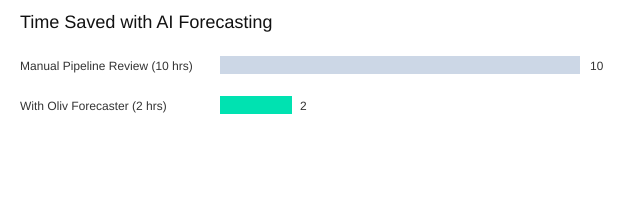
What changed for me was letting software do the boring parts of Pipeline Analysis. The Oliv AI Forecaster Agent automates pipeline analysis and saves 8+ manager hours weekly. That’s real life, not hype: fewer status meetings, fewer “where did this deal go?” threads, and more time coaching.
Clari + Salesloft (Dec 2025): a unified Revenue AI workflow?
In December 2025, Salesloft and Clari merged, and I see why that matters. If engagement data (Salesloft) and forecasting signals (Clari) live in one place, managers get cleaner inspection, and reps get fewer “update the CRM” pings. That’s the promise of modern AI Sales Tools.
When AI Agents Sales help vs. hurt
- Help: auto-summarize calls, flag risk, and keep forecasts current without extra meetings.
- Hurt: too much autonomy—like sending the wrong follow-up—can damage trust fast.
My rule: explainable beats “accurate-ish”
I only trust forecasts that show why: stage movement, activity gaps, and deal health. As Satya Nadella said:
“Our industry does not respect tradition—it only respects innovation.”
| Item | Data |
|---|---|
| Oliv AI Forecaster Agent time saved | 8+ manager hours/week |
| Salesloft + Clari merger | December 2025 |
| Forecast cadence example | Weekly rollup; monthly commit |
Email Coaching & Sales Enablement: the small tools that quietly change everything
When I think about the quiet part of an AI sales stack, I think about Email Coaching and Sales Enablement. These aren’t flashy “AI Powered Sales” demos. They’re the tools that change how I write, how fast new SDRs ramp, and how consistently we run plays across the team.
Lavender: Email Coaching that speeds up SDR ramp time
Lavender is the clearest example. It offers email coaching at $29/user/month, and it holds a 4.8/5 G2 rating (ratings verified Dec 17, 2025). For me, that’s a strong signal it’s not just another “AI Sales Tools” add-on—it’s a daily habit builder.
How I use Email Coaching (and what it actually fixes)
I use coaching prompts to tighten subject lines, improve clarity, and remove filler—my Achilles’ heel. The tool pushes me to say less, faster. Ann Handley said it best:
“Good writing is good thinking made visible.”
Here’s the slightly embarrassing truth: the tool didn’t fix my email—editing did. The tool just nagged me until I did the work.
Sales Enablement is more than content
Real Sales Enablement is timing, talk tracks, and feedback loops. It’s knowing which message to send, when to send it, and how to learn from replies. That’s where AI coaching and enablement overlap: they turn “best practices” into repeatable behavior.
Pricing reality check (free tiers to Custom Pricing)
Pricing across AI Powered Sales platforms is all over the place: Regie.ai offers free tiers, HubSpot starts around $20/user, and many enterprise stacks move to Custom Pricing. I treat coaching tools like compounding interest: small monthly costs, big long-term consistency.
| Tool | Entry Pricing | G2 Rating | Verified Date |
|---|---|---|---|
| Lavender | $29/user/month | 4.8/5 | Dec 17, 2025 |
| HubSpot | $20/user | — | — |
| Regie.ai | $0 (free tier) | — | — |
My takeaway for 2026: if you want an AI sales stack that actually sticks, invest in the small tools—Email Coaching and Sales Enablement—that keep your writing sharp, your talk tracks consistent, and your team learning every week.
TL;DR: If you’re building a Sales Tools 2026 stack, start with an AI Powered CRM (Einstein or Zia), add Lead Generation (Apollo.io), then layer Revenue Intelligence (Gong) and Sales Engagement (Salesloft/Clari). For quick wins, email coaching like Lavender is a low-cost, high-impact add-on. Prioritize CRM integration, conversation intelligence, and forecasting over flashy “AI agents.”


Comments
Post a Comment